Ling & The Corrupted Hollow
Game Info
Software: Unreal Engine 5
Team Size: 26 team members
Development Time: 6 months
Platform: PC (Steam)
Platform: Steam / PC (Controller Compatible)
Role: Systems / Technical / Audio Designer
Project Goals
For this project, I created and balanced the movement systems and mechanics, as well as all the audio systems and implementation. In working deeply with Unreal Blueprints, I collaborated with programmers and engineers to refine my code and blueprints and get them to full function.
Below, I will show and describe in detail my contributions to this project.
Development Process & Responsibilities
Audio Design & Implementation
Through In-Engine Blueprint Scripting
Creating, Balancing, & Documenting
The Movement & Ghosties Possession Systems & Mechanics
Creating, Balancing, & Documenting the Movement & Ghosties Systems & Mechanics
Balancing Movement Systems
For this project, I worked with a systems tools programmer to design and balance the main movement systems in this game:
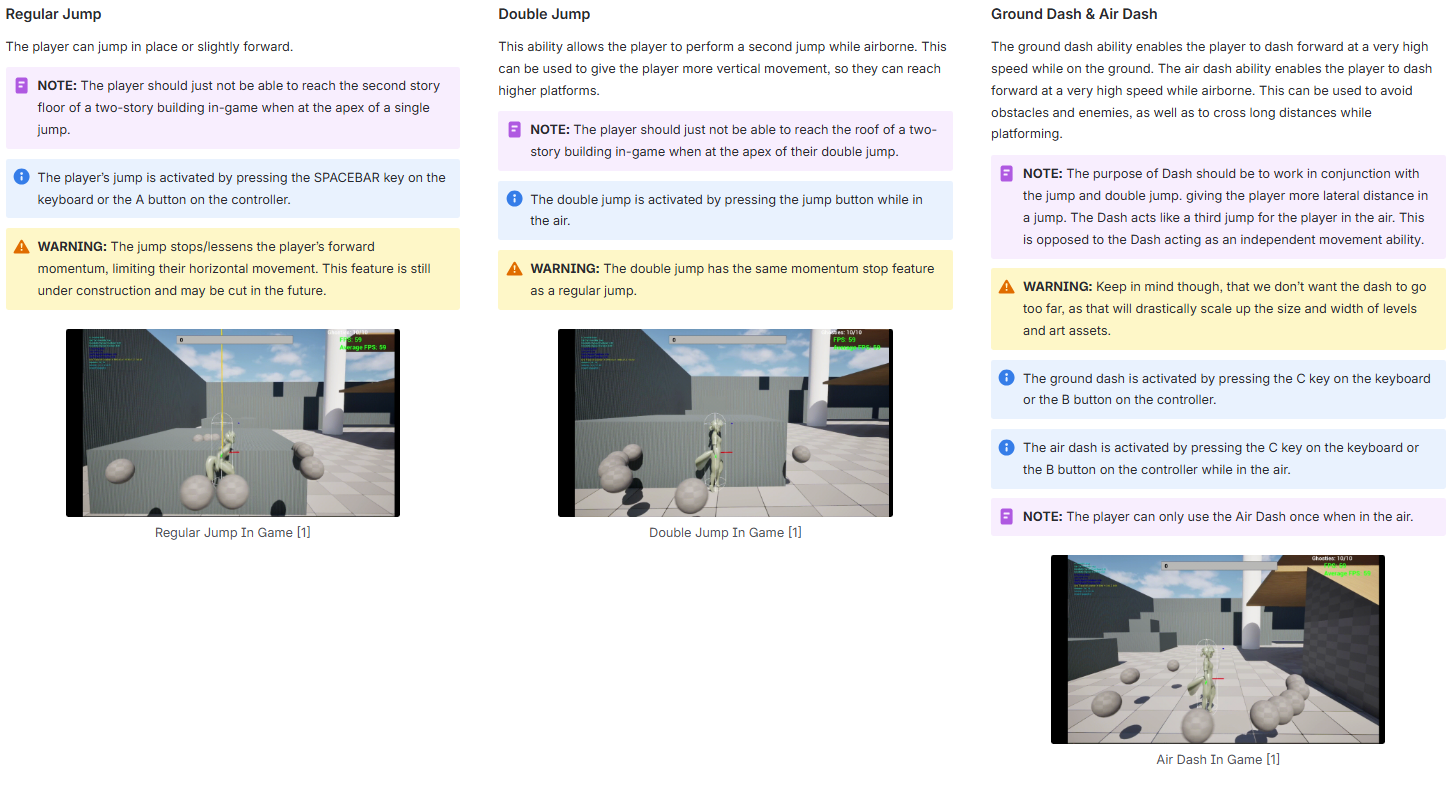
These systems included: walking, running, jumping, double jumping, ground dashing, and air dashing
Ground and air dashing ended up getting cut to slow down player pace and align closer to the design goals of the project
For each milestone, the programmer and I would sit down with the team leads and reassess the movement systems, taking their notes to rebalance movement feel
Documentation on New Mechanics
For the team to keep up with the design and balance changes made for movement systems:
I created a detailed document that would be frequently updated by either myself or the systems tools programmer to represent the latest movement system changes
This document also outlined design considerations for level designers on ideal situations for the current movement balance
Below are some images of the documentation I made for these game systems.
Mechanics Breakdown
-
![]()
Movement Mechanics Analysis & Breakdown Document
-
![]()
Ghosties Abilities Mechanic Breakdown & Design Considerations
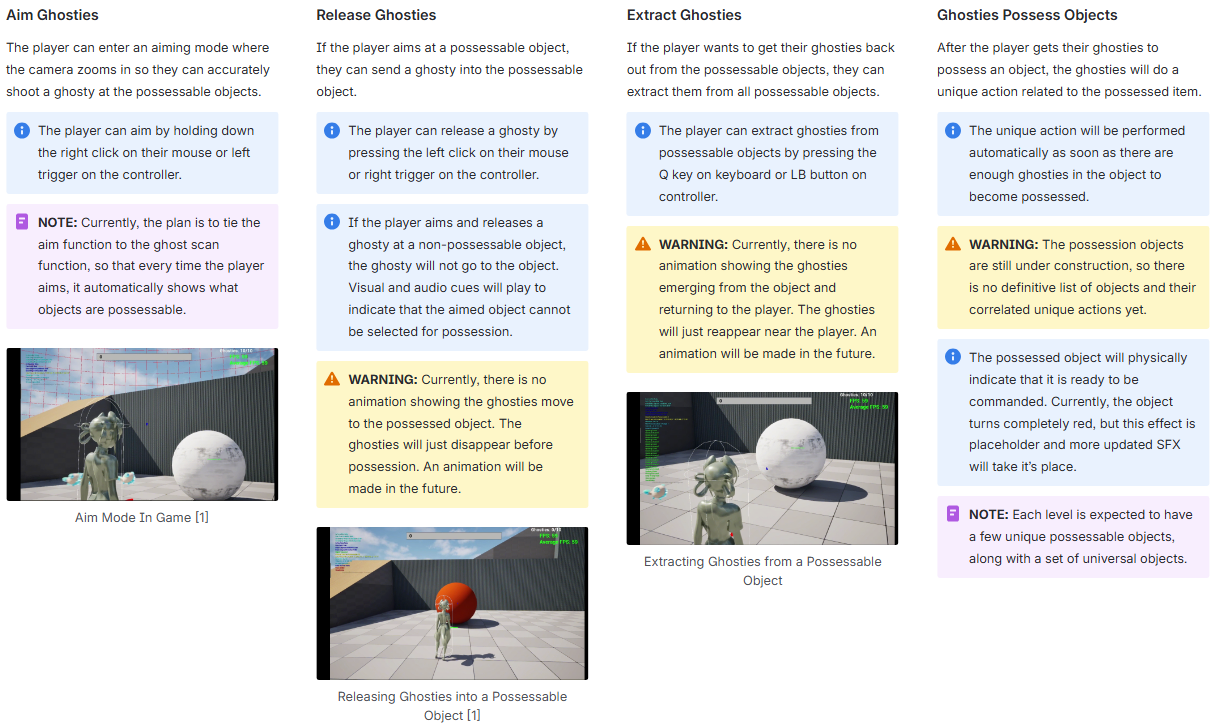
In-Engine Variables & Measurements
-
![]()
Measurements for Movement Abilities Table
-
![]()
System Tools Variable Table for Designers
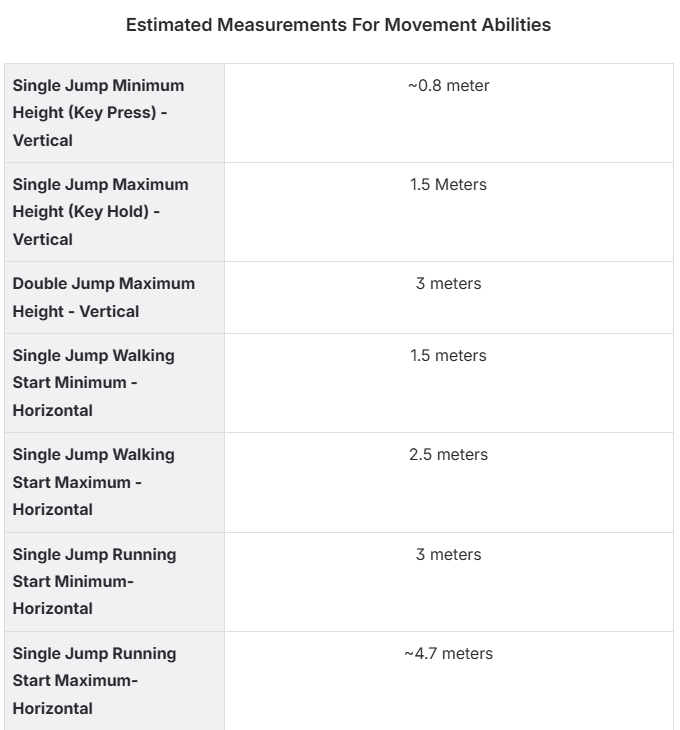
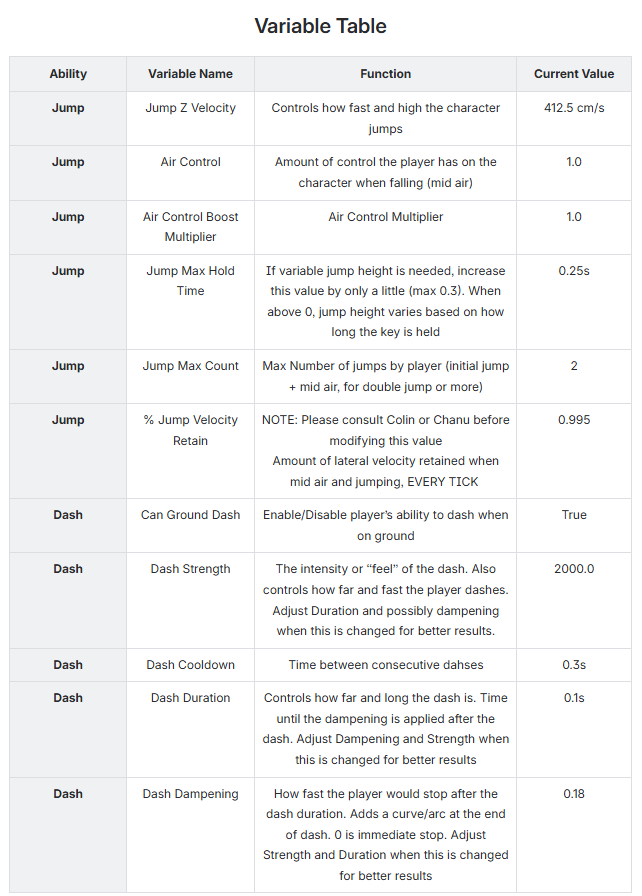
Audio Design & Implementation Through In-Engine Blueprint Scripting
Audio Design & Editing
For this project, I designed all audio sound effects for the game:
This included utilizing sound bites from a free audio library provided by SMU Guildhall
I would bring these sound bites into an audio editing program to create sound effect wav files
Then, I would import these files into the game files for game implementation
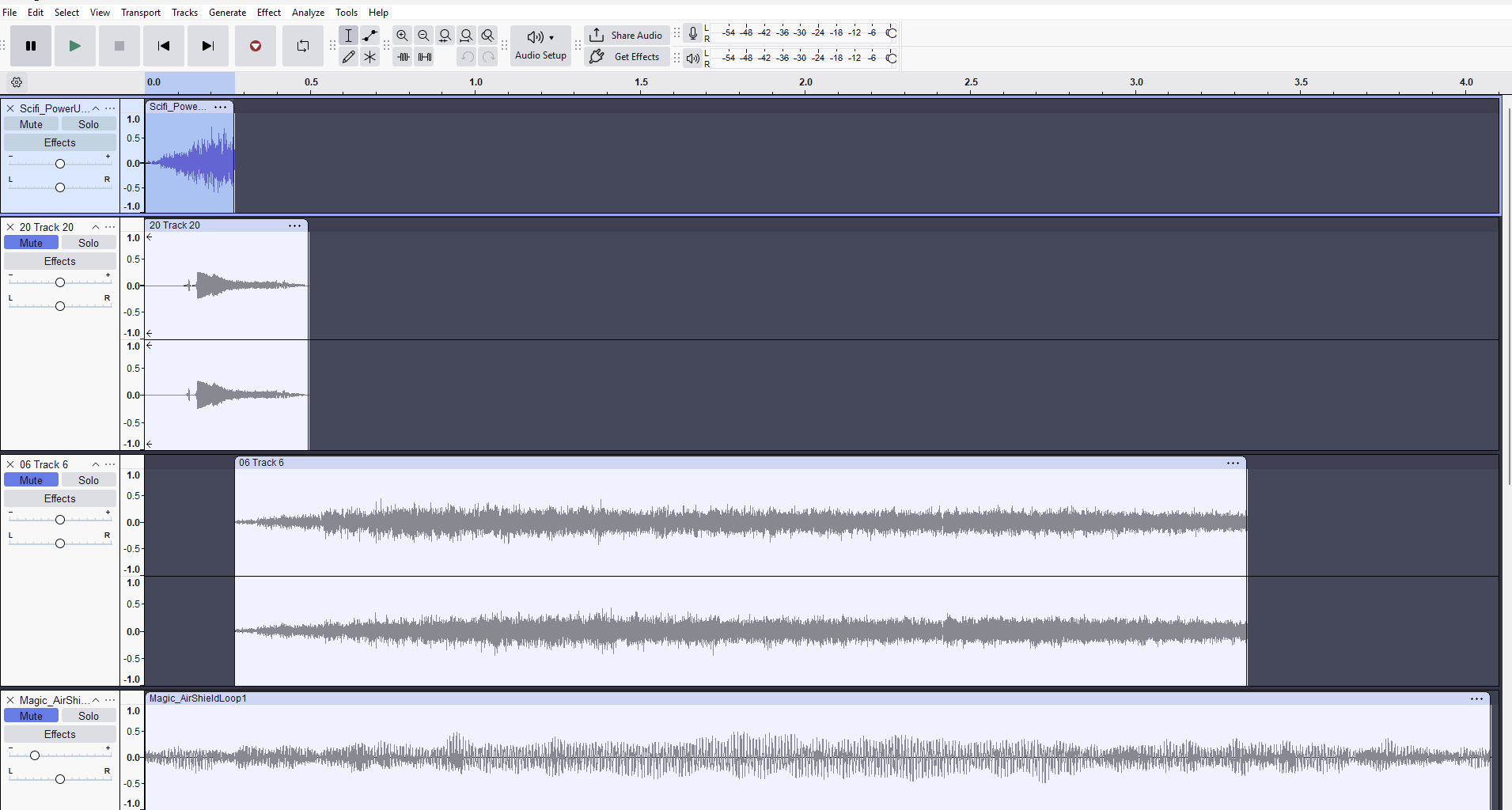
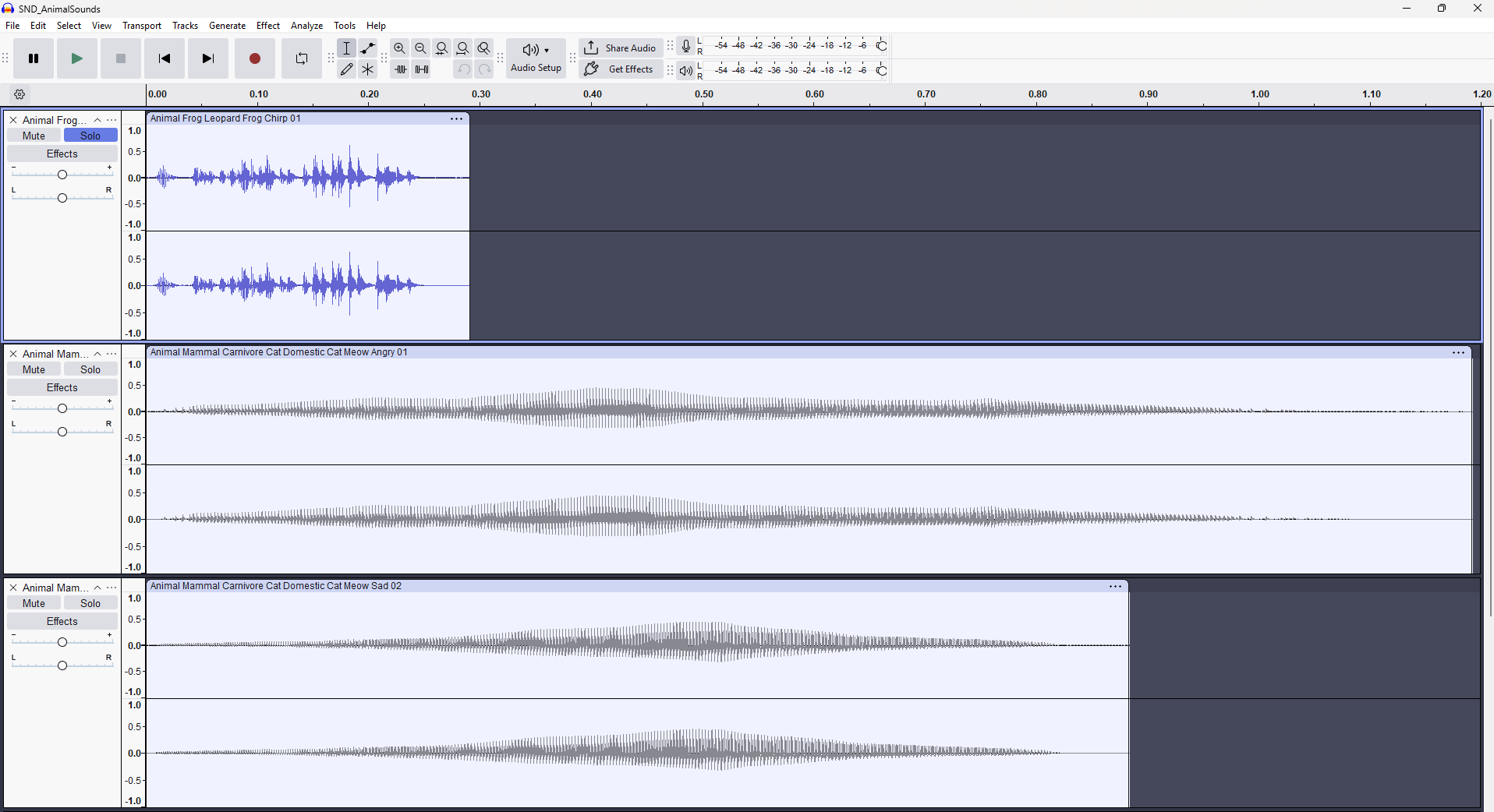
Below are some images of the audio project files that were used to create the sound effect files.
Audio Implementation & Scripting
For this project, I also implemented all audio into the game project, including all music and sound effects:
This included creating Metasound files for each audio file
In some cases, I needed to create Blueprints to trigger the audio to play at specific moments
I often collaborated with programmers to either fix or refine the functionality and organization of many different blueprints I created or worked on
Below are some images of the MetaSound files and Blueprints I used for audio implementation in this project.
-
![]()
Blueprint to make a sound effect play when player interacts with an item without overlapping sound effects
-
![]()
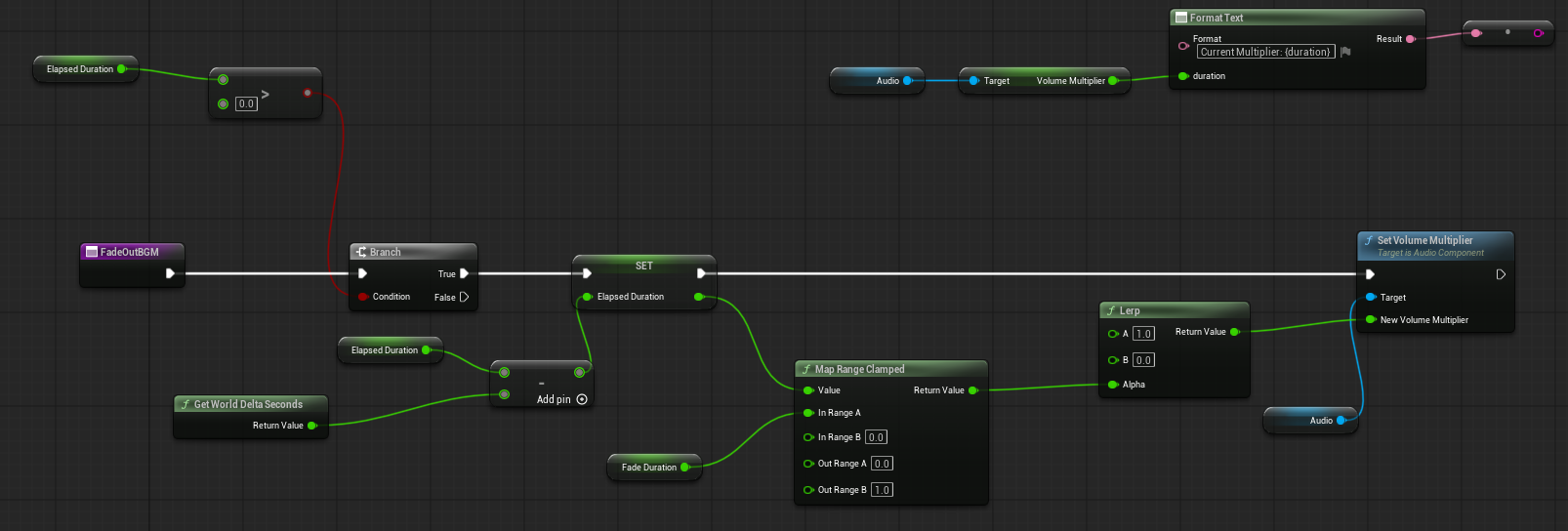
Blueprint created to slowly fade out background music once the player has left a trigger box
-
![]()
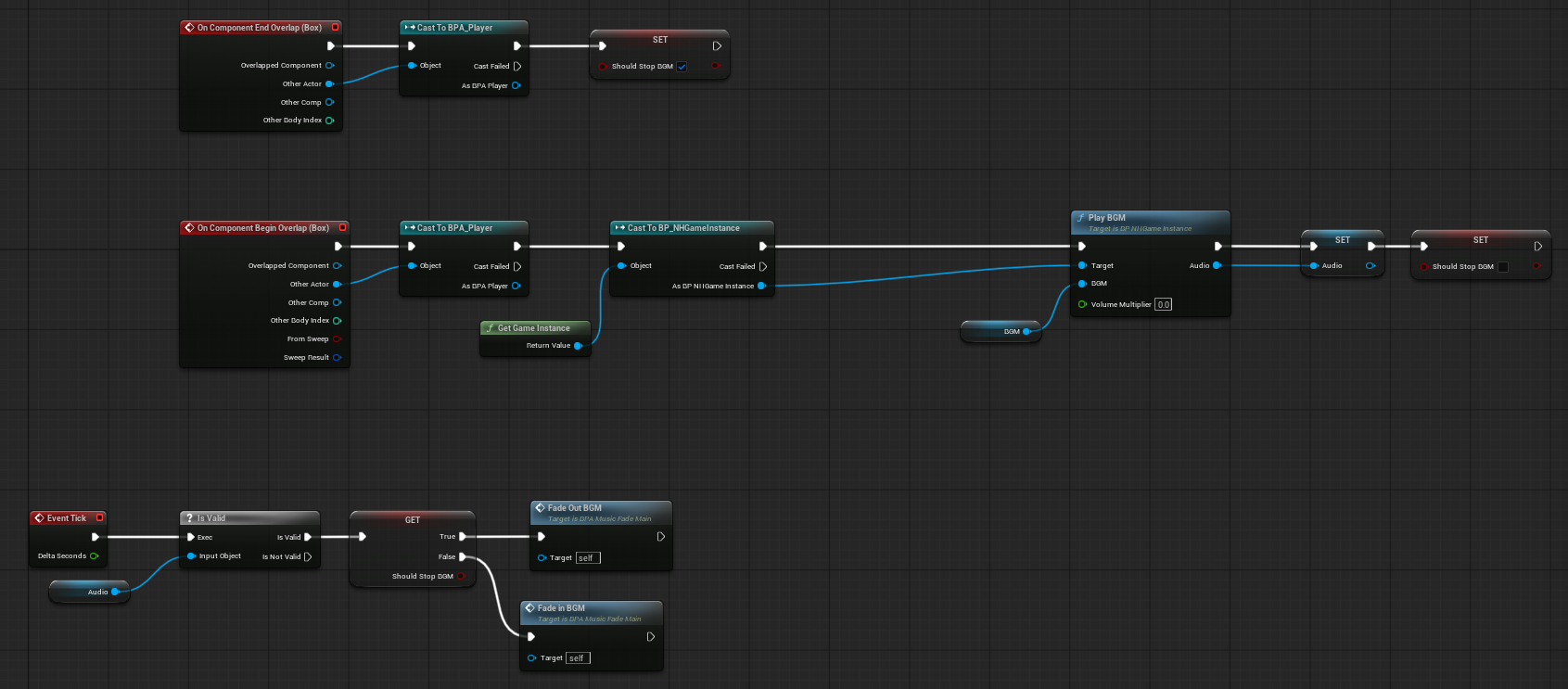
Blueprint created to control when background music fades in or out in a specified area
-
![]()
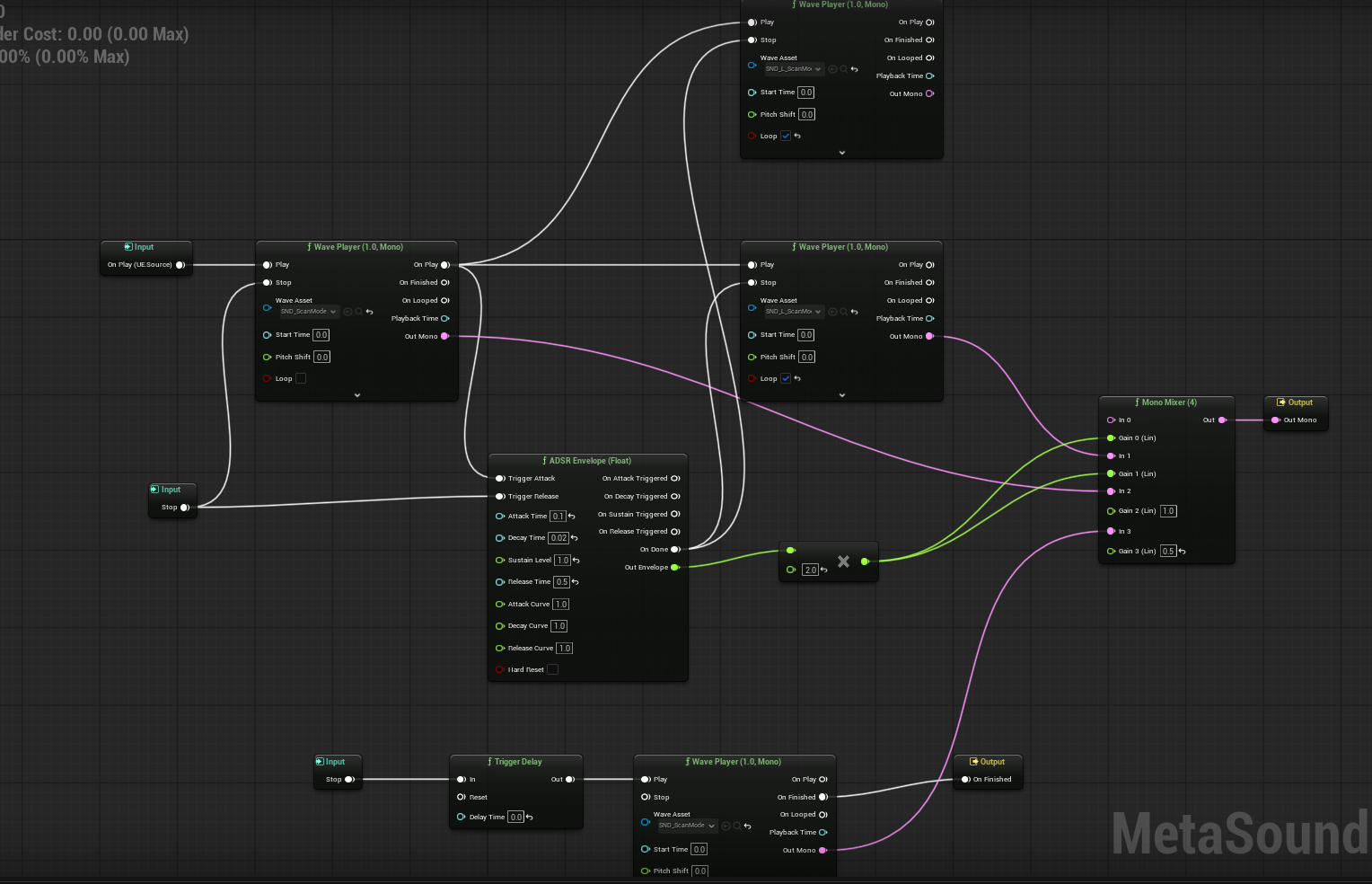
MetaSound File structure that plays sound on input until input is released
-
![]()
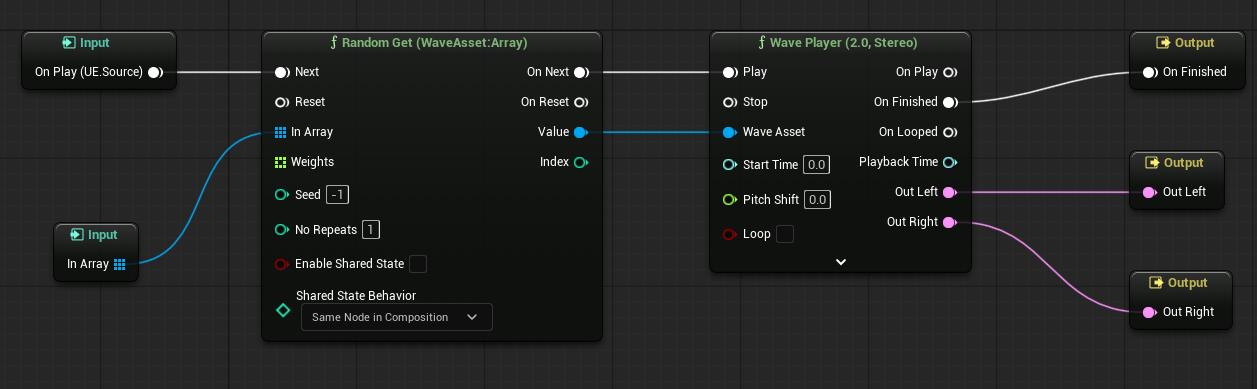
MetaSound File Structure that randomizes the sound file that plays from an array of sound files
-
![]()
Audio Editing for Scan Sound Effect
-
![]()
Audio Editing for In-Game Animal Noises
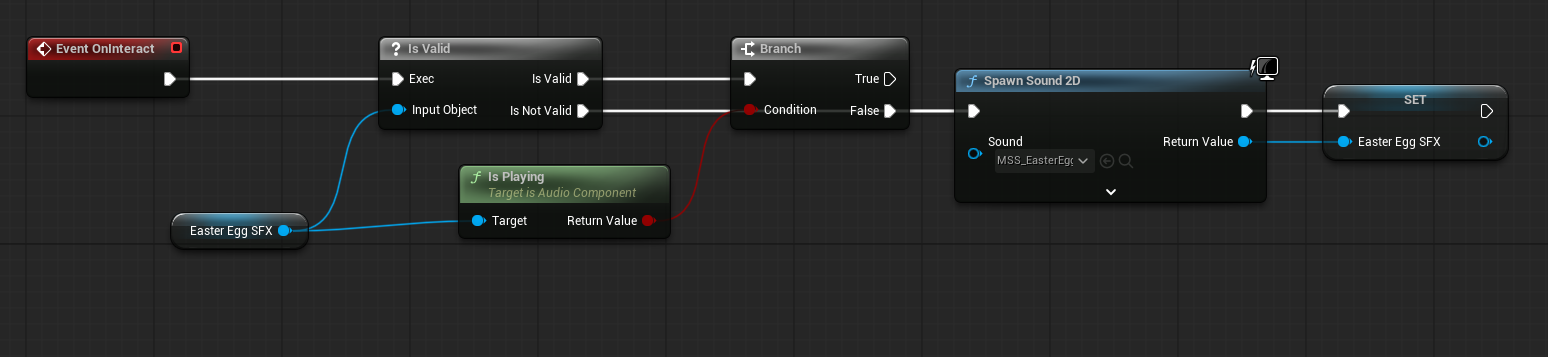
Postmortem
What Went Well?
Communication with programmers went very well
Extensive experience working with Unreal Blueprints on the project; good learning experience for Unreal Blueprints
Maintained good communication with leadership
Good studio experience working with other designers and programmers
Released a good, high-polish product despite production setbacks
I was able to create sound effects for full cutscenes, working with the cutscene artist, to create important narrative moments in the game
What Went Wrong?
I had inconsistent communication with the artists, creating many frustrations on both sides when certain systems or audio assets had to be redone to fit what the artists had already made or vice versa
As I was learning audio design for the first time, I would often underestimate the time it would take for me to finish up audio assets and implement them into the game, especially early on in development
I didn’t focus heavily on the Metric Zoo, made to measure the player character’s movement measurements, later in development, which led to some difficulty when changing movement values in-game
Even Better If……
More frequent meetings with artists to catch up on both my own progression on systems I’m designing, as well as the artists’ progression on art assets for such systems, would prevent art or design from redoing work late in production
Establishing a stronger line of communication between myself and the team leads would help to reinforce strong creative vision and design principles for the game project earlier on in pre-production
Prototype and test out game mechanics faster in-engine to find the fun in the game mechanics and systems, so level designers can more quickly and confidently design around the game’s key mechanics and systems